If you own a holiday home on the Antalya coast, you probably know the routine: you open the door after a few months away and the first thing you notice is the smell. Then come the dark spots in a bedroom corner, bubbling paint under a window, a wardrobe that smells of mould. In Belek, Kadriye, Boğazkent and Kundu this is one of the most common problems we are asked about, especially in houses that stay closed through the winter.
The good news is that damp almost always has a findable cause. The bad news is that painting over the stain is not a fix. The mark comes back within a season, sometimes worse. A lasting solution starts with one question: where is the water coming from?
Why coastal homes are especially prone to damp
The Antalya coast has hot, dry summers and mild but rainy winters. Several things work against a house here at the same time:
- Humid sea air. Air close to the sea carries a lot of moisture, and at night it condenses on cooler surfaces.
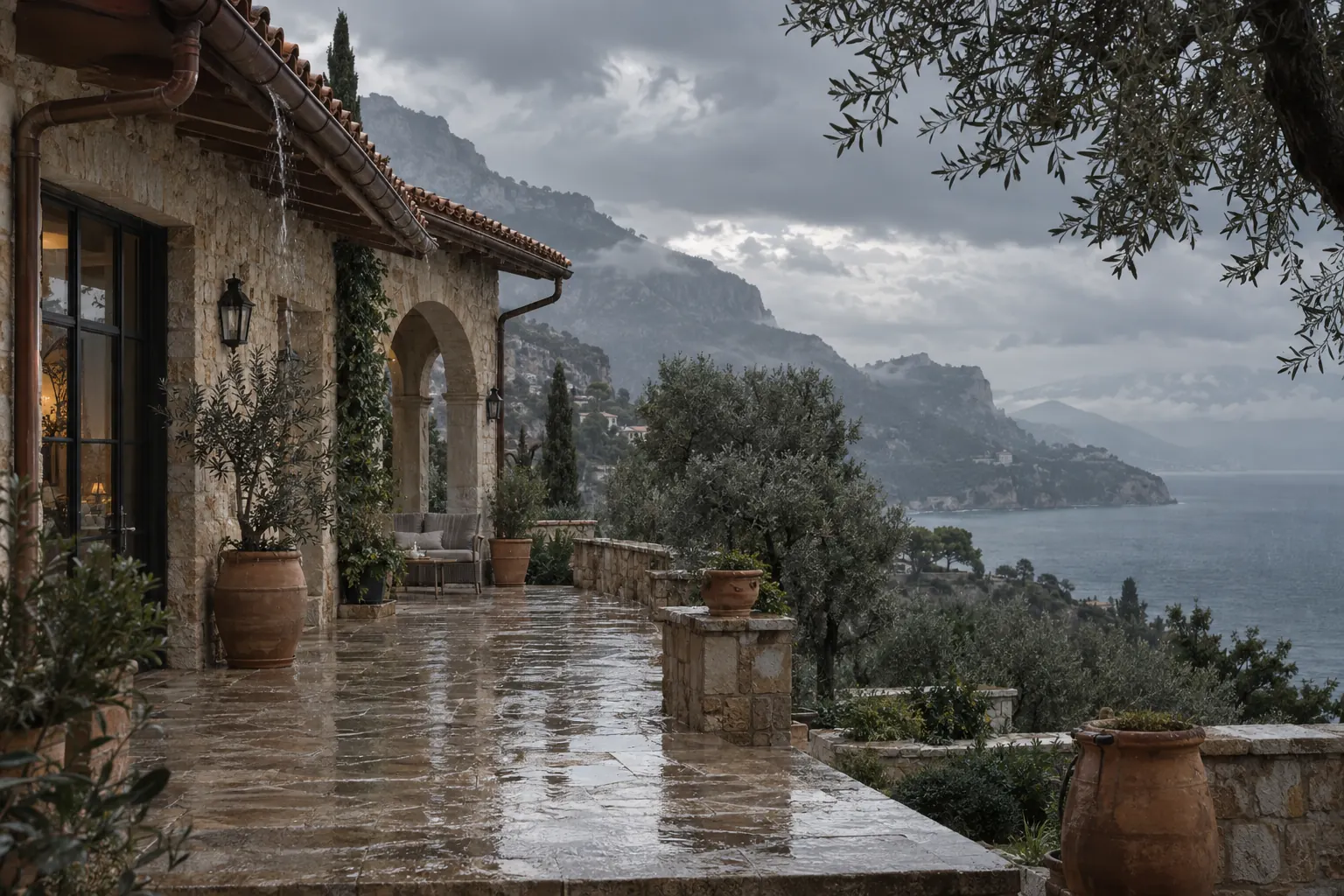
- Heavy winter rain. Rain often comes in short, intense spells. Any weak point in a roof, gutter or terrace is found quickly.
- Closed, unheated houses. A holiday home that is shut for months has no airflow and no heating. Moisture builds up inside and has nowhere to go.
- Ground water and garden irrigation. Many villas sit on flat land near the sea, and ground-floor walls are often close to watered lawns and flower beds.
The three main sources of damp
Most damp problems fall into one of three groups. In older villas it is common to find two at once.
1. Water getting in from outside
A cracked roof tile, a blocked gutter, a terrace whose waterproofing has failed, or a crack in the facade lets rainwater into the structure. Typical signs:
- Stains that get worse after rain and stay in one area
- Yellowed or bubbling paint on upper-floor ceilings and corners
- Damp patches on the ceiling of the room under a terrace or balcony
- Dark streaks on the facade below a gutter
2. Rising damp from the ground
In ground-floor rooms and basements, moisture from the soil can travel upwards through the wall. Look for flaking paint and white, powdery salt marks along the bottom of the wall, at skirting-board height. Garden beds or irrigation right against the wall make this worse.
3. Condensation from inside
Showers, cooking and drying laundry all put moisture into the air. When that moist air meets a cold surface (an outside wall, a window, a corner) it turns back into water. Signs of condensation are water droplets on the inside of windows, black spots starting in the corners of outside walls, and mould behind furniture pushed tight against the wall. This is the typical problem of a house that is closed up for winter.
How to tell which one you have
A few simple observations help before anyone opens up a wall:
- Does it change with the weather? If the stain grows after rain, think roof, gutter, terrace or facade.
- Where does it start? High on walls and ceilings points to water from above. Low on walls points to rising damp. Corners of outside walls and window reveals point to condensation.
- Is there a pattern of salt? White crystals at the base of a wall are a typical sign of moisture coming from the ground.
- Does it happen when the house is closed? If the problem appears mainly after the house has been shut up, condensation and lack of ventilation are likely part of it.
Often the honest answer is "more than one cause", which is why a proper on-site inspection matters.
Temporary measures while you plan the repair
These steps slow damp down. They do not stop water entering the house, but they buy time:
- Ventilate regularly. If you are abroad, ask someone to open the windows from time to time.
- Use the extractor fans in bathrooms and the kitchen.
- Leave a few centimetres between furniture and outside walls.
- Consider a dehumidifier for a house that will stay closed.
- Keep gutters and terrace drains clear of leaves and debris.
Lasting fixes, by source
The right repair depends on where the water comes from:
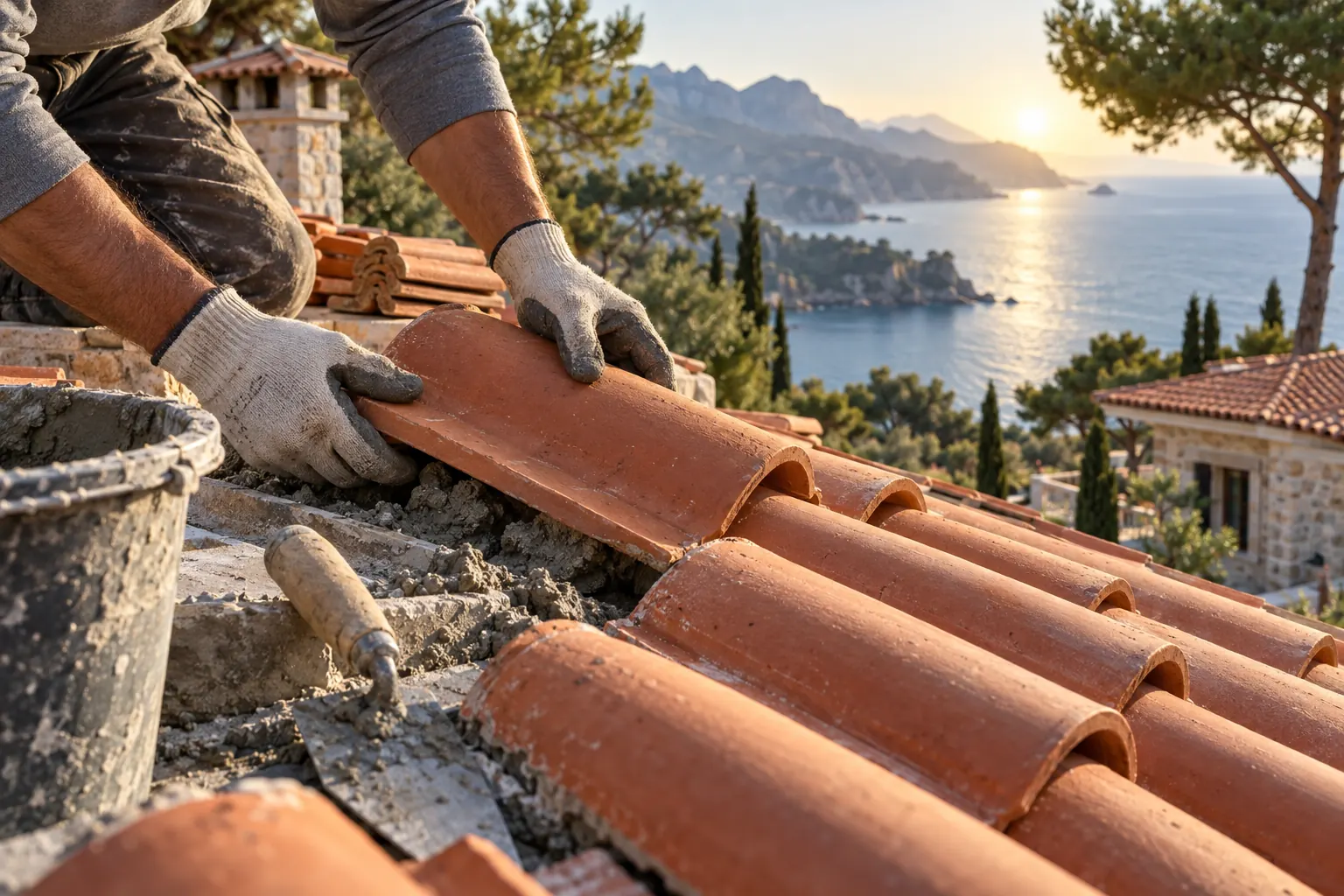
- Roof: replacing broken tiles, renewing the waterproofing layer under the tiles, cleaning or replacing gutters and downpipes. See our article on roof leaks (in Turkish).
- Terrace or balcony: lifting the old floor covering and renewing the waterproofing underneath, then retiling.
- Facade: repairing cracks, using a breathable exterior paint, and where needed external insulation.
- Rising damp: improving drainage around the foundations, moving irrigation away from the walls, and applying a moisture barrier at the base of the walls.
- Condensation: insulating cold walls, replacing old windows and frames, and improving ventilation in bathrooms and bedrooms.
One rule applies to all of them: repair the inside surfaces last. New plaster and paint should only go on once the source is fixed and the wall has dried out. Otherwise the new finish fails as quickly as the old one. Our waterproofing service page (in Turkish) explains the types of work involved.
Why the timing matters
Most damp problems on this coast start or grow with the winter rains. Checking the roof, gutters, terraces and drains before winter often means a small repair instead of a large renovation later. It is also the best moment to arrange ventilation or a dehumidifier for a house you will leave empty. Our winter check lists what we look at, and if you are buying an older property, our resale villa checklist covers damp alongside other common issues.
Get the source found, not just the stain painted
Mossera offers a free site visit in Belek, Kadriye, Boğazkent, Kundu and across Antalya. We look for where the moisture is actually coming from and carry out the repair with our own team. If you live abroad, we send you photos and videos on WhatsApp at each stage, so you can follow the work without travelling. You can reach us through our quote page or see all our services.