A home in Antalya does not wear out the way a home in northern Europe does. There is almost no frost to worry about, but there is strong sun for most of the year, salty and humid air near the sea, and winter rain that arrives in short, heavy spells. Houses in Belek, Kadriye and the rest of the Serik coast are also often empty for months, so small faults have time to grow before anyone sees them.
The easiest way to stay ahead is to tie maintenance to the seasons. The calendar below is a general guide for villas and apartments across Antalya. The exact weeks shift from year to year with the weather, and every house has its own weak points, but the order of the jobs stays much the same.
Why the calendar here is different
Three things shape the maintenance year on this coast:
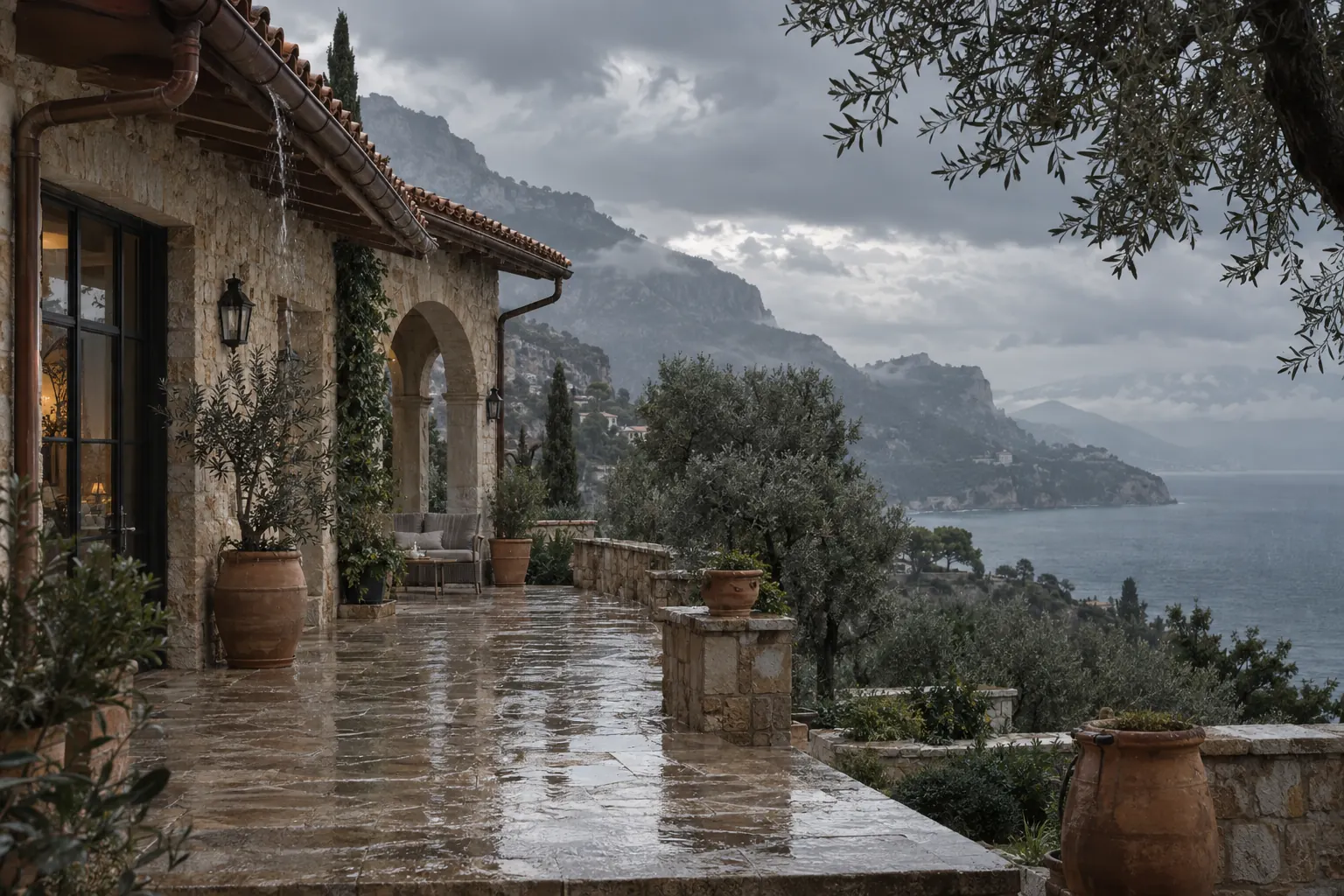
- Rain comes in winter, not summer. Roofs, gutters, terraces and drains do all their work between late autumn and early spring, so they need checking before that period, not during it.
- Summer is hard on surfaces. Months of sun fade paint, dry out sealant and timber, and put a heavy load on air conditioning, pools and irrigation.
- Many homes are closed for long periods. A closed, unheated house collects moisture. Ventilation and regular visits matter as much as repairs.
Autumn (September to November): get ready for rain
This is the most important season of the maintenance year. The aim is that the first heavy rain finds nothing to get into.
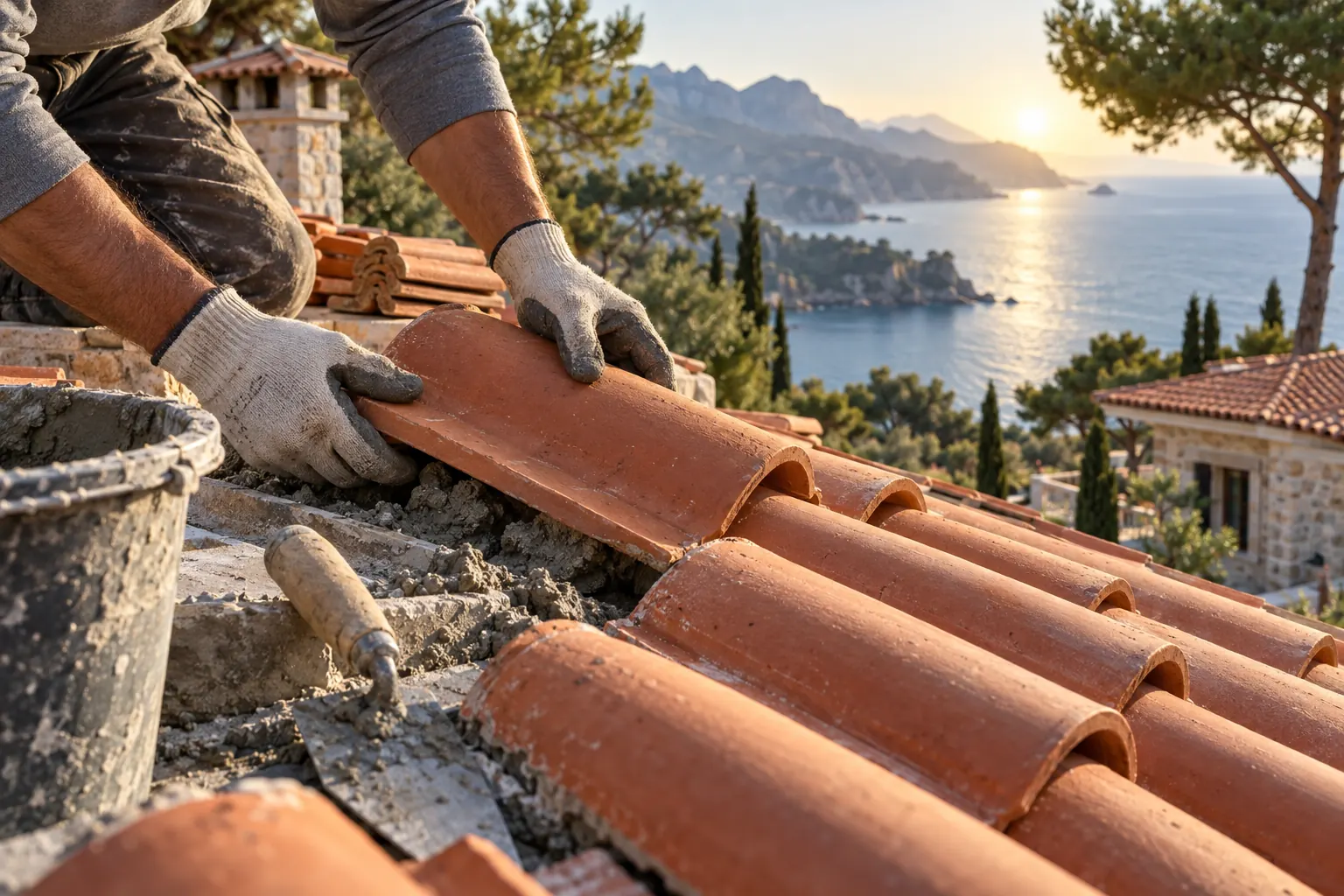
- Roof: look for broken, slipped or missing tiles and check the flashing around chimneys and roof windows.
- Gutters and downpipes: clear out leaves, pine needles and dust that built up over the dry summer.
- Terraces and balconies: clear the drains, then check the grout and the joints where the floor meets the wall. Cracked or missing grout is a common way in for water.
- Facade: note any cracks, especially around windows and at the top of walls.
- Windows and doors: check the sealant and rubber gaskets, which harden in the sun.
- Irrigation: reduce the watering schedule as the weather cools, and switch it off once regular rain begins. If you will not be here in autumn, our winter check page lists what we look at on your behalf.
Winter (December to February): watch for water and damp
Winter shows you where the house is weak. It is also the mild, quiet season when larger work can be done without disturbing a holiday or a rental booking.
- After heavy rain, look at upper-floor ceilings, the rooms under terraces and the corners of outside walls. A new stain is far easier to trace while it is fresh.
- Ventilate. Open the windows on dry days, or ask someone to do it if you are abroad. Leave interior doors and wardrobe doors open in a closed house so air can move.
- Run the taps and flush the toilets from time to time in an empty home, so that the water traps in the drains do not dry out and let smells in.
- Keep an eye on the pool. A pool that is not used in winter still needs its water circulated and checked, otherwise spring cleaning becomes a much bigger job.- Plan interior work. Bathrooms, kitchens, floors and electrical work are easiest to schedule now, so the house is ready before the season starts.
Our article on damp and mould in coastal homes explains how to tell a leak from condensation if you do find a stain.
Spring (March to May): repair and refresh
Once the rain eases and before the heat arrives, conditions are good for outdoor work and for preparing the house for summer.
- Fix what winter revealed. Deal with the source of any leak first, let the wall dry, and only then replaster and paint.
- Exterior painting and facade repairs are best done in dry, mild weather, when paint can cure properly.
- Air conditioning: have the filters cleaned and the units serviced before the first hot week, not during it.
- Pool: bring it back into use, and check the pump, the filter and the tile grout while you do.
- Irrigation: test every zone, look for leaking pipes and blocked drippers, and set the timer for the warmer months.
- Insect screens and shutters: repair them now, since you will rely on them all summer.
For larger outdoor projects, see our Turkish-language pages on garden and landscape work and waterproofing.
Summer (June to August): light upkeep and protection
Summer in Antalya is hot and dry, and most owners want to enjoy the house, not work on it. Heavy outdoor jobs are hard on both people and materials in this heat, so keep the list short.
- Water early or late. Irrigation in the early morning loses less water to evaporation than watering at midday.
- Check the pool often. Warm water and heavy use mean the water balance changes quickly.
- Clean air-conditioning filters again if the units run every day.
- Look after timber and metal outdoors. Sun dries out wooden decks and pergolas, and salty air attacks metal railings and fittings near the sea. Rinse off salt and note what will need oil or paint in autumn.
- Keep a list. Summer is when you actually live in the house, so it is the best time to notice the dripping tap, the door that sticks or the tile that sounds hollow. Write these down for the autumn visit.
A calendar is only useful if someone follows it
None of these jobs is complicated on its own, but for owners who live abroad the calendar only works if someone is at the house at the right moments, above all after the first heavy rain of the season. What causes expensive repairs in Antalya is usually a small task missed at the right time: a blocked gutter before the rain, a cracked terrace joint, a house that was never aired. Whether your home is in Belek, Kadriye, Boğazkent, Kundu, Lara or in Serik itself, the same seasonal rhythm applies.
Mossera offers a free site visit across Antalya. We check the house, tell you what needs attention and in which season, and carry out the work with our own team. If you live abroad, we send photos and videos on WhatsApp at each stage, so you can follow everything without travelling. You can contact us through our quote page or see our services in English.