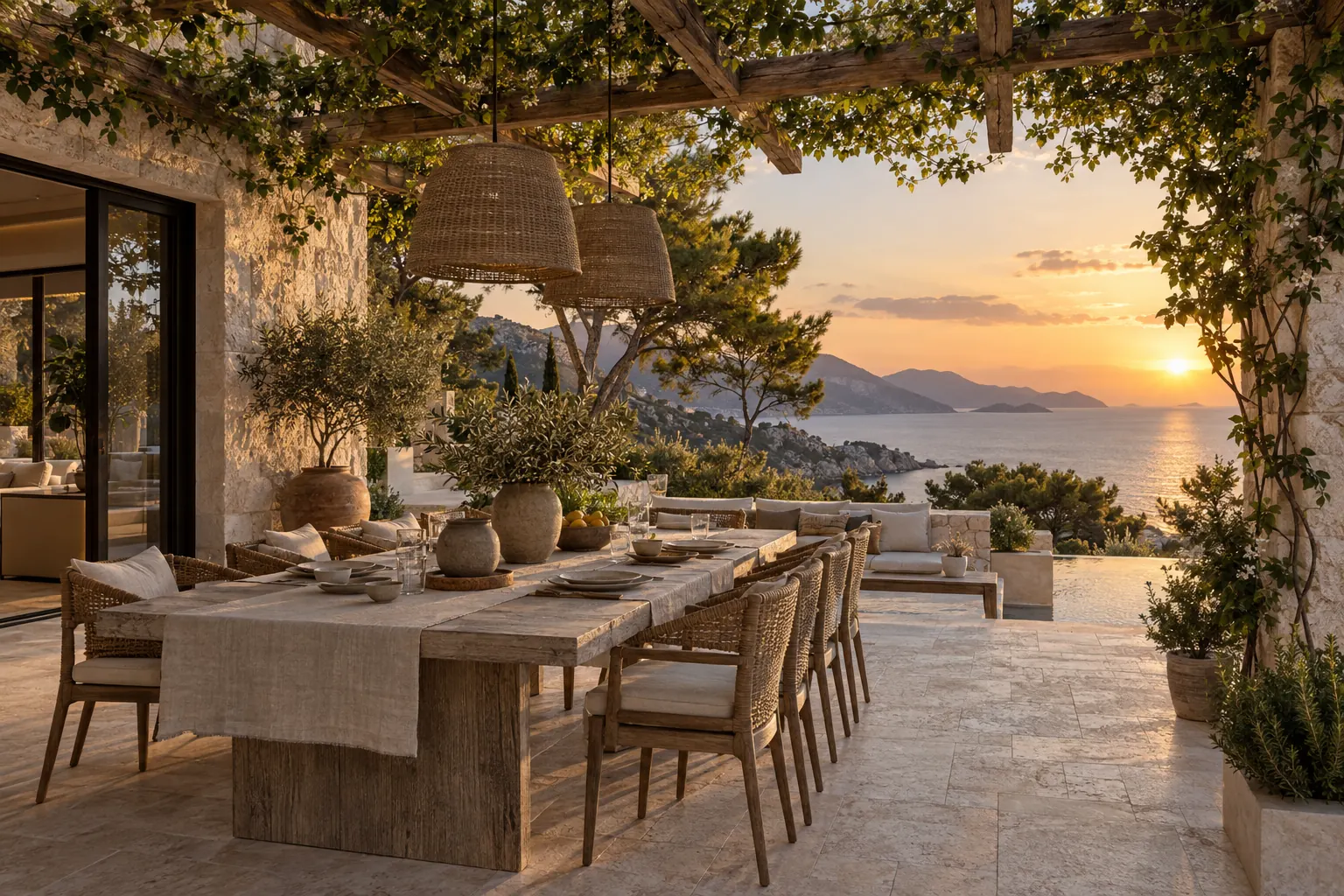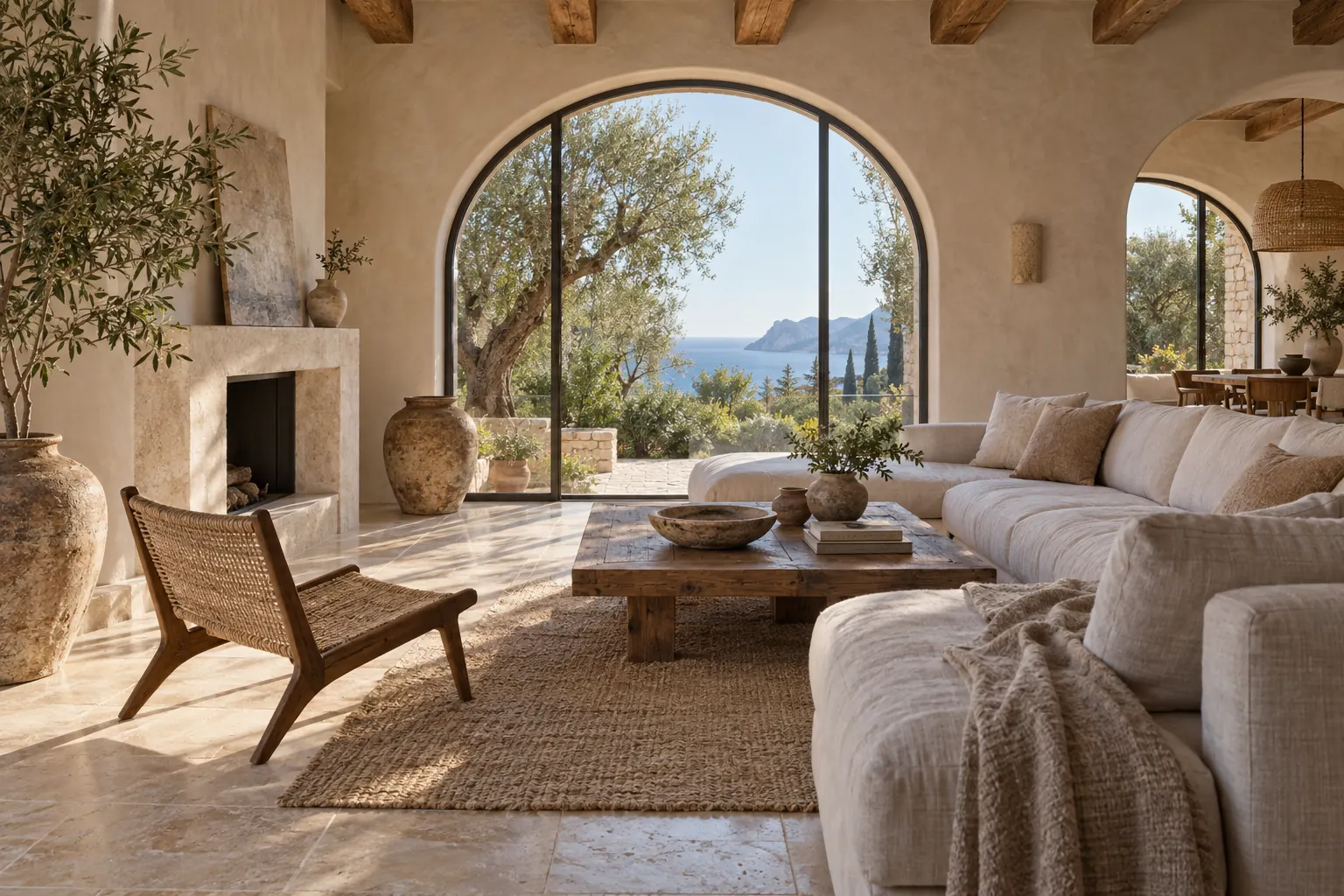
Belek is known abroad as a golf and hotel resort, but behind the hotel strip there is a small town with schools, shops, mosques and a weekly market. Together with Kadriye and Boğazkent, it is home to a mix of local families, Turkish residents from other cities and foreign owners, some living here full time and many coming and going.
We are a renovation and landscape studio based in Kadriye, so most of our conversations with owners are about houses and gardens. This guide combines that view with the practical basics: what the town is like through the year, how the climate affects a building, getting around and owning a holiday home here.
What is Belek town like?
Belek is a neighbourhood of Serik district in Antalya province. It was a separate small municipality until 2013, as were Kadriye and Boğazkent. The three settlements sit along the same stretch of coast, and in daily life many residents move between them without thinking about the borders.
- Belek has the most developed centre, with cafés, restaurants and shops around the clock tower.
- Kadriye, about 8 km west of Belek, is closer to Antalya airport and is home to many golf courses and the Land of Legends theme park.
- Boğazkent, east of Belek across the Acısu river, is smaller and quieter.
Two different towns: summer and winter
Is Belek a good place to live? It depends a lot on whether you like the rhythm of a seasonal resort.
- Summer is busy. Hotels are full, roads and beaches are crowded, and the town centre is lively late into the evening. July and August are very hot; in Antalya, average daytime highs in those months are around 35°C.
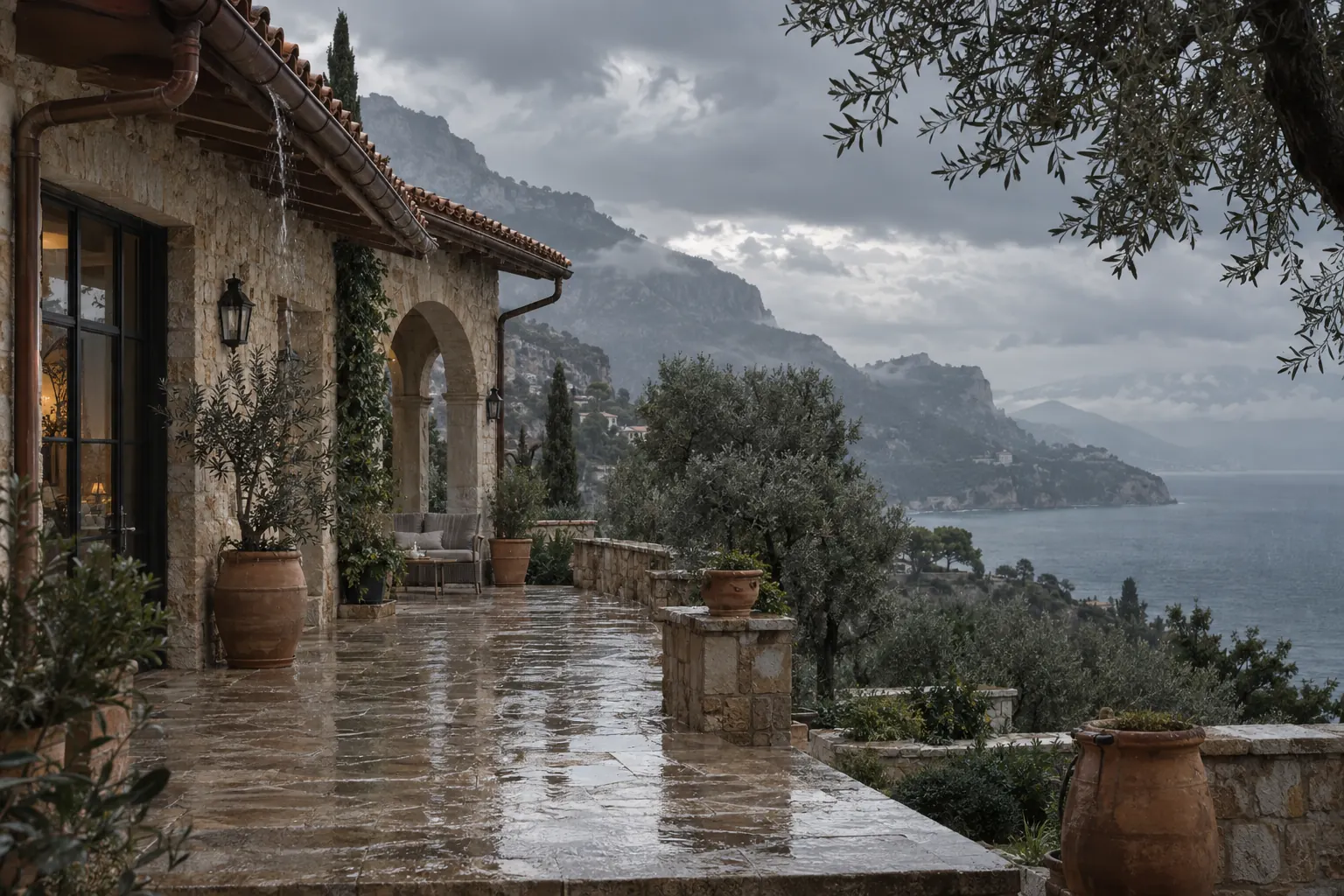
- Winter is calm. Visitor numbers drop, some tourist-focused shops and restaurants shut, and the town is mostly locals and long-term residents. It is mild compared with northern Europe, but it is also the rainy season: December and January are the wettest months in Antalya, and rain can be heavy.
- Spring and autumn are, for many residents, the best part of the year: warm days, a warm sea in autumn, and empty roads.
If you are thinking of living in Antalya more widely, the same pattern applies to most resort areas along the coast, while Antalya city itself stays busy all year.
Climate and what it means for your house
The local climate is pleasant to live in, but it is hard on buildings:
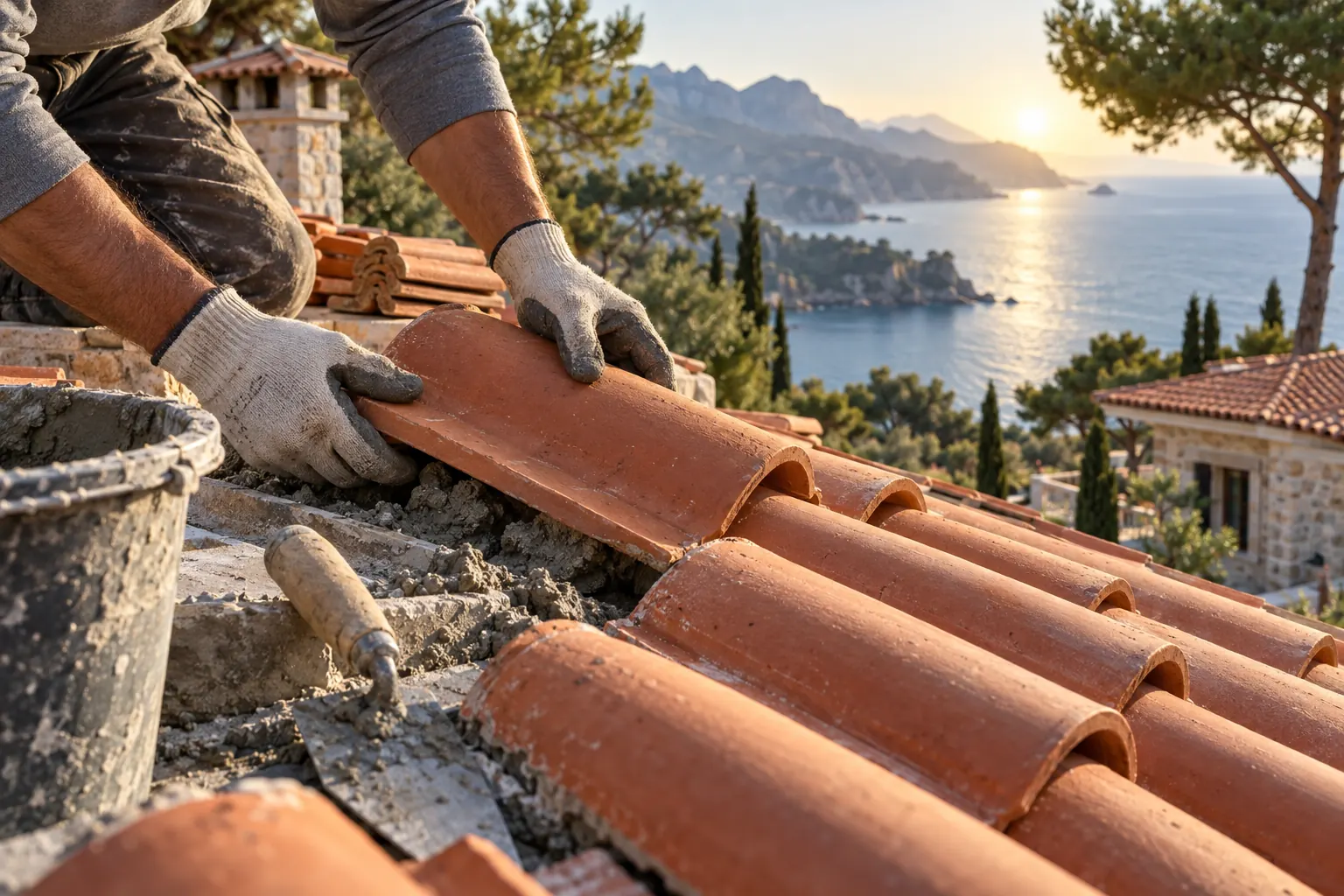
- Strong sun fades paint, dries out sealants and ages roofing and outdoor wood quickly. South- and west-facing facades suffer most.
- Salty sea air corrodes metal: railings, door and window fittings, outdoor units and pool equipment.
- Humidity is the big one near the sea. Closed houses build up damp, and mould often appears in wardrobes, bathrooms and room corners. We explain this in our Turkish article on damp in seaside homes.
- Heavy winter rain finds every weak point: blocked gutters, cracked terrace joints and worn roof tiles show up as stains on ceilings and walls.
- Hot, dry summers mean that gardens depend on irrigation. Plant choice and a well-set system make a large difference.
None of this is unusual for the Mediterranean, but it means regular maintenance is not optional.
Getting around
Most residents find a car very useful. The resort towns are spread out along the coast, and many villas and complexes are outside the town centres.
- Antalya airport is about 20 km from Kadriye, and Antalya city about 30 km.
- Local minibuses (dolmuş) link the resort towns with Serik and Antalya. Routes and frequency change with the season, so check current details locally.
- Taxis and transfers are easy to find in summer, less so on winter evenings.
- Cycling and walking are pleasant in the cooler months; in summer, early morning and evening are the only comfortable times.
Everyday services
In general terms, the area has what you need for daily life: supermarkets, pharmacies, bakeries, banks, schools and health services in and around the towns, with wider choice in Serik and Antalya. Weekly markets are held in Belek, Kadriye and Boğazkent on different days; see our markets guide.
For anything official, such as residence permits, property registration, taxes or utility contracts, rules change and depend on your situation. Please check with official sources or a qualified adviser rather than relying on general articles.
Owning a holiday home in Belek
Many foreign owners use their home for a few weeks or months each year, and the house sits empty in between. That is where most problems start.
- Damp in closed houses. Without airing, humidity builds up, especially in winter. Musty smells and mould spots are early warnings.
- Roof and terrace leaks often go unnoticed for months when nobody is there to see the first stain.
- Gardens and irrigation. A broken sprinkler line or a timer that stopped can mean a dead garden or a large water loss by the time you arrive.
- Pools need regular care; a pool left without attention through summer is a big job to bring back.
- Plan works for the off-season. Winter is the right time for renovation in a holiday home, so the house is ready before the busy months. Our Turkish article on preparing a rental villa for summer gives a typical calendar.
A pre-winter inspection is one of the simplest ways to avoid surprises; see our winter check. If you are still looking for a property, our resale villa checklist covers what to inspect before you buy.
About us
Mossera is a renovation, architecture and landscape studio based in Kadriye. We work on homes and gardens in Belek, Kadriye, Boğazkent and across Antalya with our own team. Site visits are free, and owners who live abroad receive regular photo and video updates over WhatsApp. More on our English page.